Who We Serve
Who are Lancaster’s middle-income renters?
They’re people making 50–80% of the area median income.
They might be home health aides, delivery drivers, first responders, mechanics, waiters, or factory workers. In other words, they’re essential to our local economy and way of life.
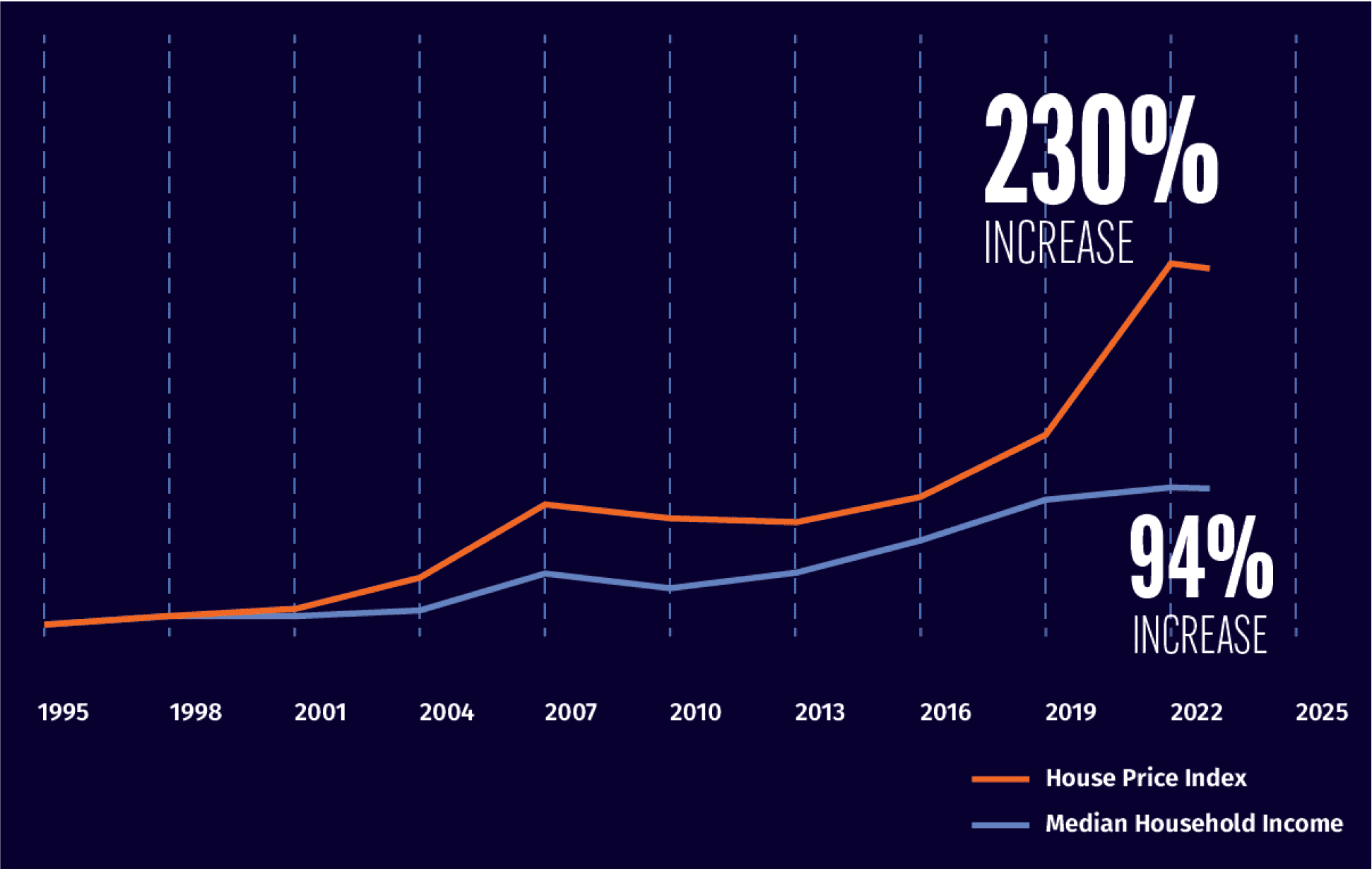
While middle-income jobs used to provide a middle-class lifestyle,
the cost of housing in Lancaster County is making it harder and harder for these workers to get by.
Meet
Tasha

Occupation Maintenance Technician
Although Tasha works what many would consider a good job, she’s always coming up short. There are no cheaper childcare options. She’s lucky if she can pick up any overtime. And the groceries, even at Sharp Shopper, just keep getting more expensive. Something has to give.
monthly take-home pay
$3,386
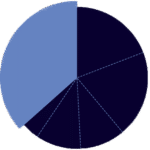
63% of AMI (two-person household)
Monthly expenses
$3,520
Two-bedroom
apartment rent
$1,230
Utilities
$140
Transport
$350
Groceries
$350
Insurance
$670
Childcare
$780
Meet
Jenna

Occupation Licensed Practical Nurse (LPN)
The recovery room runs on people like Jenna—calm, focused, and always three steps ahead. But at the end of her shift, Jenna walks out to a car that might not start. Last week, she found out her rent is going up. And her student loans aren’t going anywhere. It’s a lot for one person.
monthly take-home pay
$3,306
66% of AMI (one-person household)
Monthly expenses
$2,840
One-bedroom
apartment rent
$1,450
Utilities
$330
Transport
$120
Groceries
$310
Insurance
$270
Student Loans
$200
Prescriptions
$160
Meet
Carlos

Occupation Fourth Grade Teacher
Carlos cares about the students he works with, and he truly loves his job. Unfortunately, love doesn’t pay for diapers and baby formula. His wife, Zoe, stays home with the twins—because daycare would cost almost as much as she’d make cutting hair.
monthly take-home pay
$3,400
52% of AMI (four-person household)
Monthly expenses
$3,280
Two-bedroom
apartment rent
$1,400
Utilities
$130
Insurance
$380
Transport
$670
Student Loans
$400
Groceries
$300
Let’s prioritize housing for our
Hardest working neighbors.
While there are many barriers to more affordable apartments, project financing has become one of the biggest. We’ve developed a new model—and a goal of adding 350 new middle-income rental units in the next five years.